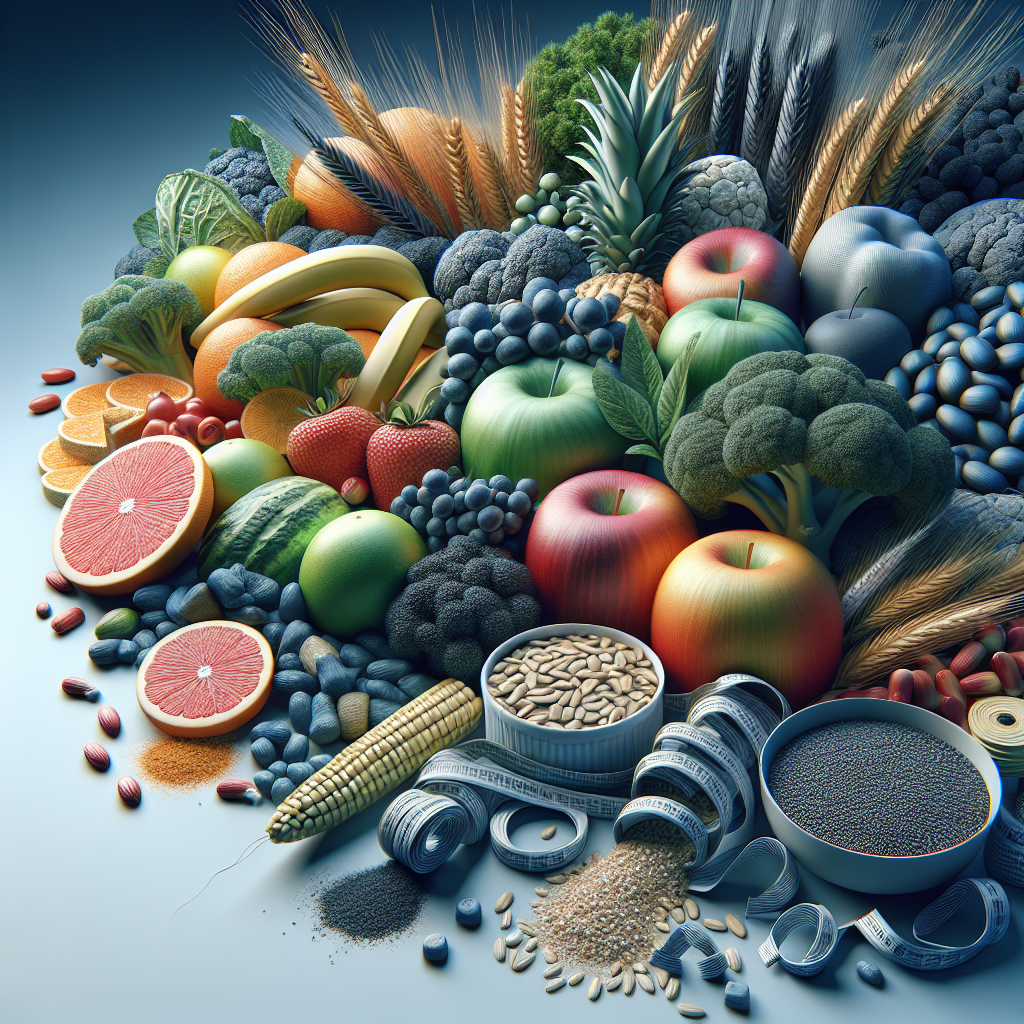
In 2025, the pursuit of healthy eating is more important than ever, as awareness of the impacts of nutrition on overall health continues to grow. Embracing simple changes in dietary habits can significantly enhance nutrition and contribute to improved well-being. This article outlines ten straightforward approaches that can seamlessly integrate into your daily routine, fostering a better relationship with food, optimizing nutritional intake, and promoting longevity.
1. Prioritize Whole Foods Over Processed Options
Focus on Natural Ingredients
Whole foods—those that are minimally processed and free from artificial additives—should form the foundation of any nutritious diet. These foods are typically richer in essential nutrients and tend to be lower in unhealthy fats, sugars, and sodium.
- Examples of Whole Foods: Fruits, vegetables, whole grains, legumes, nuts, seeds, and lean proteins.
- Statistics: According to the WHO, diets high in processed foods are linked to a 25% increase in chronic health conditions.
Choosing Wisely
When shopping, prioritize items in the produce and whole grain sections. Aim for a colorful variety that ensures a spectrum of nutrients.
- Tip: Use the "rainbow" method – Aim to include items from every color group throughout the week. For instance:
- Red: Tomatoes, strawberries
- Green: Spinach, broccoli
- Yellow: Bananas, bell peppers
2. Incorporate Mindful Eating Practices
The Power of Presence
Mindful eating involves giving your full attention to the experience of eating rather than rushing through meals. This practice has ramifications for both psychological well-being and digestion.
- Benefits Include:
- Improved digestion
- Lesser risk of overeating
- Enhanced enjoyment of food
Practical Steps
- Eliminate Distractions: Turn off screens during meals.
- Chew Thoroughly: Aim for 20-30 chews before swallowing to facilitate digestion and enhance satisfaction.
- Listen to Your Body: Pay attention to hunger cues to make more balanced food choices.
3. Plan Meals and Snacks in Advance
The Importance of Preparation
Planning ahead can be a game changer when it comes to maintaining a healthy diet. Meal prep not only saves time but also helps in making informed food choices.
Steps for Effective Meal Prep
- Weekly Planning: Set aside time each week to map out meals and snacks.
- Cook in Batches: Prepare large portions of healthy meals that can be easily reheated.
- Healthy Snacks: Keep nutritious snacks like mixed nuts, yogurt, or cut vegetables readily available.
| Meal Prep Tips | Benefits |
|---|---|
| Planning ahead | Reduces impulsive eating backfires |
| Batch cooking | Saves time and minimizes food waste |
| Snack packing | Controls portion sizes |
4. Focus on Balanced Plates
The Ideal Plate Model
Creating balanced meals can simplify nutrition and ensure adequate nutrient intake. A good rule of thumb is to visually divide your plate.
The 50/25/25 Rule
- 50% Vegetables and Fruits: Aim to fill half of your plate with varying colors and types.
- 25% Proteins: Incorporate a lean protein source—this could be fish, poultry, tofu, or legumes.
- 25% Whole Grains: Opt for brown rice, quinoa, farro, or other whole grains instead of refined grains.
Nutritional Benefits
- Vegetables and Fruits: High in fiber and vitamins
- Proteins: Essential for muscle repair and satiety
- Whole Grains: Provide sustained energy through complex carbohydrates
5. Cultivate Healthy Cooking Techniques
The Way You Cook Matters
The methods you use in the kitchen can drastically affect the nutritional value of your meals. Traditional deep frying can turn a healthy dish into a calorie-laden one.
Healthier Cooking Techniques
- Steaming: Preserves nutrients without adding excess fat.
- Grilling or Baking: These methods reduce the need for added oils and fats.
- Sautéing: Use healthy oils such as olive oil in moderation; infuse flavors while keeping meals light.
Comparisons of Cooking Methods
| Cooking Method | Calories added | Nutrient retention |
|---|---|---|
| Deep frying | High | Low |
| Baking | Moderate | Medium |
| Steaming | Low | High |
6. Hydrate Wisely
Importance of Adequate Hydration
Staying adequately hydrated is essential for overall health, as hydration plays a crucial role in digestion, nutrient absorption, and energy levels.
Recommended Fluid Intake
- General Guidelines: Aim for at least 2 liters of water per day, adjusting for body weight and activity levels.
- Hydration Tips:
- Carry a reusable water bottle.
- Infuse water with fruits for added flavor without extra calories.
Smart Beverage Choices
- Limit Sugary Drinks: Replace soda and sugary beverages with water, herbal teas, or infused waters.
- Moderation on Alcohol: If consumed, keep it moderate—up to one drink per day for women and two for men.
7. Educate Yourself on Food Labels
Understanding Nutritional Information
Being knowledgeable about food labels can empower healthier choices. Understanding serving sizes and key nutritional components will aid in selecting better products.
Key Components to Monitor
- Serving Size: Determines the calorie and nutrient density.
- Added Sugars: Keep daily sugar intake below 10% of overall calories.
- Trans Fats: Avoid products containing artificial trans fats, which can increase cholesterol levels.
Nutritional Label Decoding
| Nutritional Element | Recommended Intake |
|---|---|
| Added Sugars | < 10% of daily calories |
| Saturated Fats | < 10% of daily calories |
| Sodium | < 2,300 mg daily |
8. Embrace Plant-Based Options
The Power of Plant Foods
Integrating more plant-based foods into your diet can lead to significant health benefits. Diets rich in fruits, vegetables, whole grains, and legumes are associated with lower rates of heart disease, diabetes, and certain cancers.
Simple Ways to Shift
- Meatless Meals: Designate specific days each week for meatless meals, such as "Meatless Monday."
- Explore Plant Proteins: Foods like lentils, chickpeas, and quinoa can effectively replace meat without compromising protein intake.
Benefits of a Plant-Based Diet
- Environmental Impact: Less reliance on animal products tends to lower carbon footprints.
- Cost-Effectiveness: Plant-based options can often be more affordable than meat.
9. Limit Eating Out
Reducing Restaurant Dependency
While dining out can be enjoyable, frequently eating away from home may sabotage healthy eating efforts. Restaurant meals tend to be higher in calories, saturated fats, and sodium.
Actions to Take
- Home Cooking: Commit to preparing most meals at home to better control ingredients and portion sizes.
- Smart Dining Out: When dining out, choose restaurants that focus on fresh, whole foods.
- Plan Ahead: If eating out is unavoidable, plan your meal ahead of time to curb impulsive choices.
Smart Ordering Practices
- Appetizers: Opt for salads or vegetable-based starters rather than fried options.
- Dressings & Sauces: Request dressings and sauces on the side to control intake.
10. Keep a Food Journal
The Value of Tracking
Maintaining a food journal can significantly enhance awareness of eating habits and nutritional choices. This exercise can reveal patterns, triggers, and opportunities for improvement.
How to Start
- Choose Your Method: Use a physical notebook or an app to log meals and snacks.
- Be Honest: Include everything you eat and drink for accuracy.
- Review Regularly: Analyze your entries weekly to identify areas for improvement.
Benefits of Food Journaling
- Accountability: Keeps you mindful of your choices.
- Goal Setting: Helps establish personal nutrition goals based on findings.
- Support for Behavior Modification: Identifying triggers for emotional or mindless eating can lead to healthier habits.
Conclusion
In the fast-paced world of 2025, adopting simple and sustainable healthy eating habits can not only enhance your nutritional intake but also elevate your overall quality of life. Focusing on whole foods, practicing mindfulness, and making informed choices equips you to navigate dietary challenges with confidence. Embrace these ten habits to foster a nourishing relationship with food that supports your physical and mental well-being. By making these manageable changes, you can lay the foundation for a healthier future.